
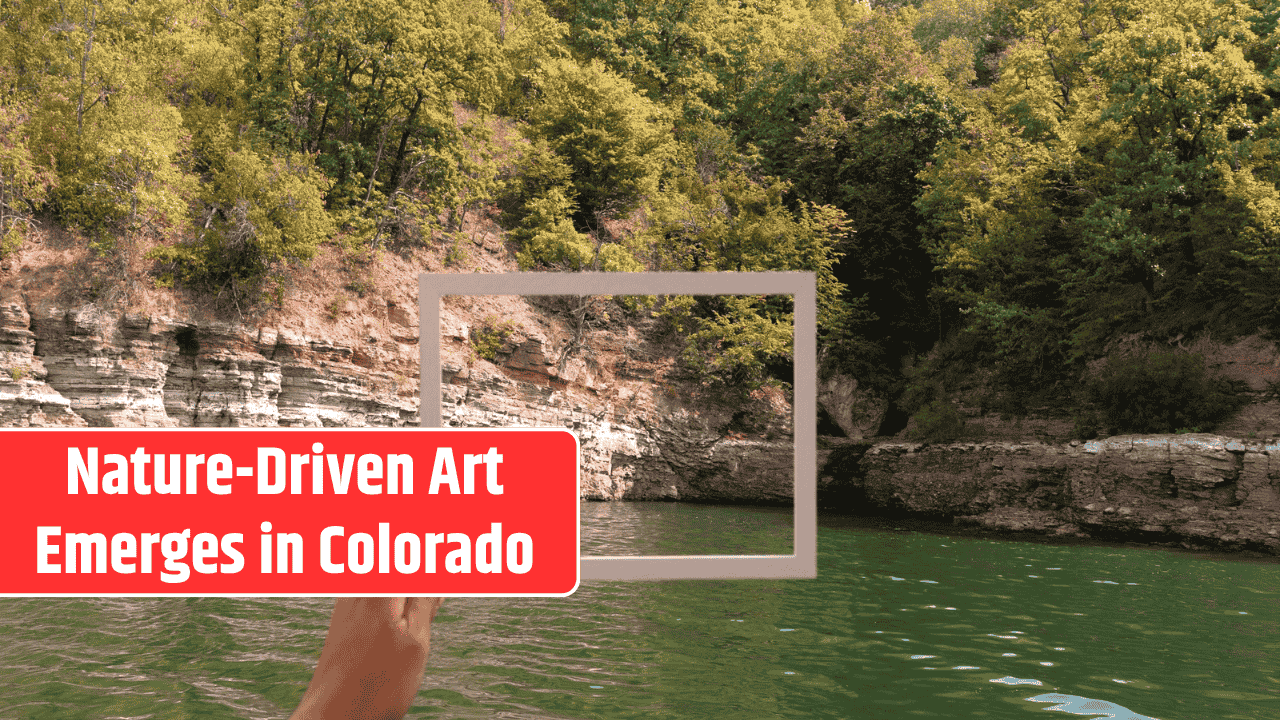
Amid Colorado’s vast mountains, red rock canyons, and rolling plains, a new generation of artists is merging creativity with conservation. These visionaries are transforming the state’s natural landscapes into living, breathing eco-installations — works of art that exist in harmony with the environment rather than apart from it. From biodegradable sculptures to land-based sound installations, Colorado’s artists are redefining what it means to create sustainably, proving that art can both inspire and restore.
The Intersection of Art and Ecology
In a state renowned for its natural beauty, it’s no surprise that many Colorado artists draw inspiration directly from the land. What sets this new wave apart is their commitment to environmental stewardship. Eco-installations — site-specific artworks built from natural or recycled materials — invite viewers to experience nature through a renewed, artistic lens.

Artists such as Patrick Dougherty, known for his intricate stick sculptures, and local innovators like Amy Hoagland are creating installations that exist at the crossroads of art, science, and ecology. These works often respond to the changing environment, incorporating wind, sunlight, and even water as active elements in the composition. The result is a deeply immersive experience that fosters both aesthetic wonder and environmental awareness.
Natural Materials as Creative Mediums
Unlike traditional sculptures or paintings, eco-installations rely on organic materials that blend seamlessly with their surroundings. Wood, clay, stone, moss, ice, and recycled metals become essential components in these environmentally conscious works.
For instance, at the Anderson Ranch Arts Center in Snowmass Village, artists experiment with natural dyes, reclaimed timber, and biodegradable fibers to create installations that decompose gracefully over time. In this approach, impermanence becomes part of the message — a poetic reminder of nature’s cycles and the fragility of ecosystems.

Some artists also use sustainable technologies, such as solar-powered lighting or water reclamation systems, to enhance their installations. These integrations highlight the potential for art to exist not as an imposition on the environment, but as a collaborator with it.
Site-Specific Works in Colorado’s Wild Spaces
Colorado’s diverse terrain — from alpine peaks to desert plateaus — offers a perfect canvas for large-scale environmental art. Many installations are situated outdoors, where the setting becomes an integral part of the artwork itself.
In the San Luis Valley, artists have created ephemeral pieces made of sand, driftwood, and salt that shift with the wind, echoing the valley’s natural rhythms. Near Boulder, eco-artist collectives have built temporary installations using river stones and native plants to highlight the impact of drought and climate change. Each piece interacts dynamically with its environment, changing with the seasons and weather, ensuring that no two viewings are ever the same.

These site-specific works invite audiences to move beyond passive observation. Visitors are encouraged to hike, explore, and physically engage with the art, creating a deeper connection between human experience and the natural world.
Eco-Art as Environmental Activism
Beyond their aesthetic appeal, Colorado’s eco-installations serve as powerful tools for environmental advocacy. Many projects aim to raise awareness about pressing ecological issues, from water scarcity and forest preservation to the effects of urban expansion on wildlife habitats.
Artists collaborate with scientists, conservationists, and local communities to design pieces that educate as much as they inspire. At Denver’s EcoArts Connections, for example, interdisciplinary teams create interactive installations that visualize data on climate change, pollution, and sustainability. These initiatives bridge the gap between art and activism, showing that creativity can drive meaningful environmental dialogue and action.
The Future of Sustainable Art in Colorado
As the global conversation around climate change intensifies, Colorado’s eco-art movement is poised to grow even further. Universities, galleries, and nature organizations are increasingly supporting artists who blend environmental science with artistic expression.
The future of this movement lies in collaboration — between artists and ecologists, sculptors and engineers, communities and landscapes. Together, they are shaping a vision of art that doesn’t merely depict nature but actively participates in its preservation.
By turning natural spaces into platforms for creative expression and environmental consciousness, Colorado’s artists remind us that beauty and responsibility can coexist. Their installations are not monuments to human achievement, but testaments to balance — living symbols of harmony between art and the Earth.
FAQ
What exactly is an eco-installation?
An eco-installation is a site-specific artwork created with sustainable, natural, or recycled materials that interacts with its environment and often carries an ecological or conservation-focused message.
Why is Colorado a hub for eco-art?
Colorado’s rich natural landscapes and strong environmental culture make it an ideal setting for artists who want to blend creativity with ecological consciousness.
Are these installations permanent?
Most are designed to be temporary or biodegradable, emphasizing nature’s cycles of growth, decay, and renewal.
Where can visitors experience eco-installations in Colorado?
Popular sites include Boulder Open Space, Aspen’s Anderson Ranch Arts Center, and seasonal installations in the San Luis Valley and Denver’s art parks.