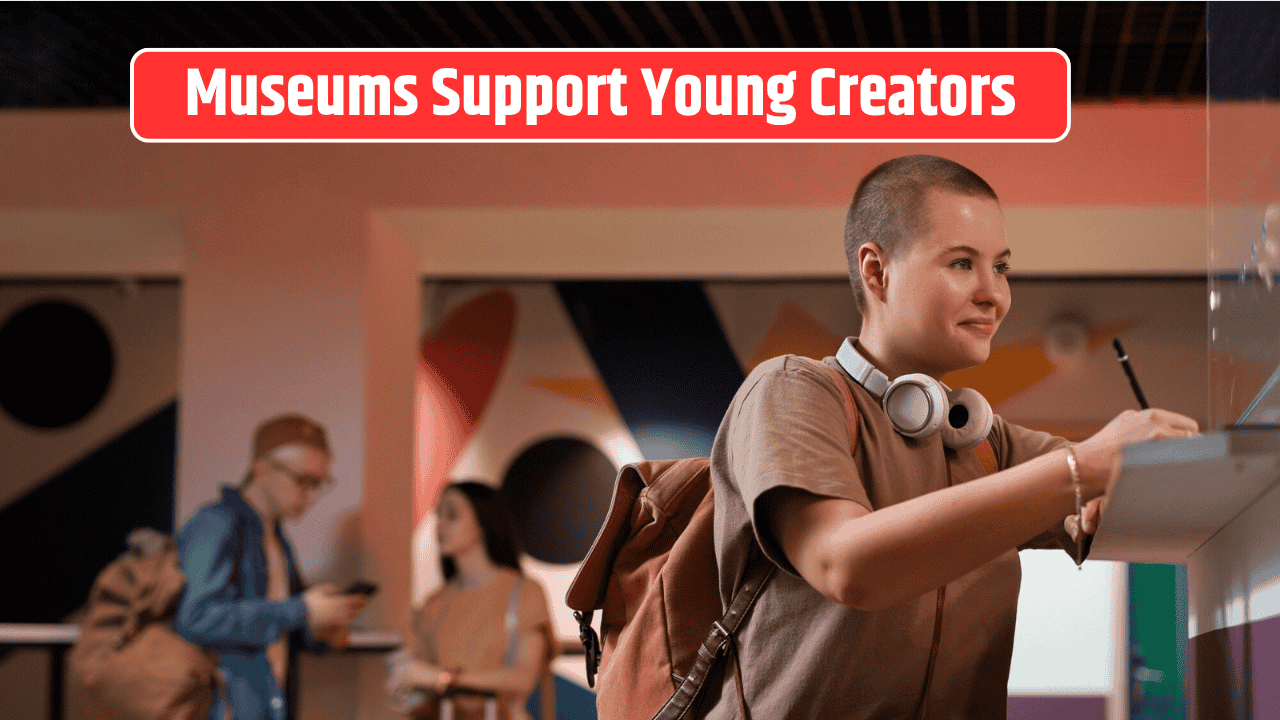
Across the United States, museums are no longer just repositories of art — they are becoming incubators for the next generation of creators. From coast to coast, major institutions are launching programs that empower young artists through mentorship, paid internships, and hands-on creative experiences. These initiatives represent a shift in the role of the museum, transforming it from a space of observation into a space of participation and innovation.
The Rise of Youth-Centered Museum Programs
American museums are increasingly recognizing the importance of nurturing young talent. With art education often underfunded in schools, museums are stepping up to fill the gap, offering free or low-cost programs that give teens access to professional artists, curators, and educators. These programs are designed not just to teach art-making skills, but to foster leadership, confidence, and community engagement among young people.

The result is a vibrant movement that democratizes access to the arts, ensuring that creativity isn’t confined to classrooms or studios. By empowering young creators, museums are cultivating diverse voices that reflect the evolving cultural landscape of the nation.
The Bronx Museum of the Arts: Empowering Local Voices
The Bronx Museum of the Arts in New York has long been a pioneer in supporting young creators through its Teen Council and Teen Summer programs. Aimed at high-school students ages 14–19, these initiatives provide stipends to participants — valuing their time and creativity.
In these programs, students collaborate on curatorial projects, produce zines, conduct artist interviews, and ultimately present their own exhibition at the museum. This immersive experience teaches them the full lifecycle of an exhibition, from concept to curation to public engagement.

The Bronx Museum’s model emphasizes accessibility and inclusion, especially for youth from underrepresented communities. By offering paid opportunities, the museum eliminates financial barriers and ensures that participation is equitable — a crucial step in diversifying the next generation of artists and arts professionals.
Whitney Museum of American Art: Mentorship Through “Youth Insights”
At the Whitney Museum of American Art in New York, the Youth Insights (YI) program is transforming how teens interact with contemporary art. Open to high-school students in grades 9–12, YI connects participants with working artists, museum educators, and curators to explore pressing social issues through art-making.
The program offers several tracks, including YI Artists, YI Leaders, YI Introductions (for English-language learners), and YI Arts Careers. Through workshops, studio sessions, and exhibitions, students learn both creative and professional skills — from conceptual thinking to exhibition planning.

What sets the Whitney’s initiative apart is its focus on accessibility and inclusion. The program is completely free, and participants receive stipends, ensuring that artistic development is open to all socioeconomic backgrounds. Graduates often go on to pursue careers in art, design, and museum studies — with the Whitney’s mentorship serving as a springboard for future success.
The Smithsonian Institution: Creativity on a National Scale
Few institutions have the reach and influence of the Smithsonian, and its youth initiatives reflect that scope. The Smithsonian Latino Center’s Young Ambassadors Program (YAP) stands out as one of the most impactful national efforts for young creators. Each year, high-school students participate in a five-day leadership and arts enrichment seminar in Washington, D.C., followed by a paid month-long internship in their local community.
The program combines artistic expression with cultural heritage and community engagement. Participants learn to connect their creative practices with broader social issues, using art as a vehicle for change. The Smithsonian also offers other youth programs across its network of museums, giving young artists opportunities to engage in science, design, and digital arts alongside traditional fine art.
This approach underscores how museums can serve as both educational and civic platforms — nurturing creativity while inspiring public responsibility.
Beyond the Major Cities: Local Museums and Regional Impact
While flagship programs in New York and Washington draw national attention, smaller museums across the country are also innovating. The Denver Art Museum offers the Creative-in-Residence teen program, where high-school students collaborate with professional artists to design community-oriented projects. In Chicago, the Museum of Contemporary Art runs Teen Creative Agency (TCA), a yearlong paid program that helps young artists develop projects responding to current social themes.
These initiatives emphasize collaboration, cultural dialogue, and the belief that young voices can influence the broader art ecosystem. By extending opportunities to local and regional institutions, the movement ensures that access to artistic growth is not limited to major urban centers.
The Future of Museums as Creative Laboratories
The emergence of youth-focused museum programs signals a reimagining of the museum’s role in society. No longer passive spaces for observation, museums are becoming active creative laboratories — fostering dialogue, experimentation, and innovation among the next generation.
By offering paid opportunities, mentorship, and inclusive programming, these institutions are not only supporting young artists but also ensuring that the future of art reflects the diversity, complexity, and imagination of America itself. As these programs expand, they promise to build a more vibrant, equitable, and collaborative art world — one shaped by the voices of tomorrow.
FAQ
What are the benefits of joining a museum youth program?
Participants gain hands-on experience in art-making, curation, and leadership. Many programs also provide stipends, mentorship, and opportunities to exhibit artwork publicly.
Are these programs open to students nationwide?
Some programs, like the Smithsonian’s Young Ambassadors, are national. Others are local but often serve as models for similar initiatives across the U.S.
Do participants need prior art experience?
Not always. Most programs welcome beginners with a strong interest in creativity, offering guidance from professional artists and educators.
How can young artists apply?
Applications are typically available on museum websites. Requirements may include a brief essay, a portfolio, or a teacher recommendation.