Numismatics is more than collecting metal discs—it’s preserving tiny, tangible moments of American history. Every coin has a story, and few tell it better than this trio: the Mercury Dime, the Barber Dime, and the Bicentennial Quarter.
Each represents a distinct chapter in the evolution of U.S. coinage—three different eras, three artistic visions, and three windows into what America valued at the time. Whether you’re a lifelong collector or a newcomer with curiosity (and maybe a coin jar nearby), these three pieces deserve a closer look.
The Mercury Dime: Freedom in Silver Form
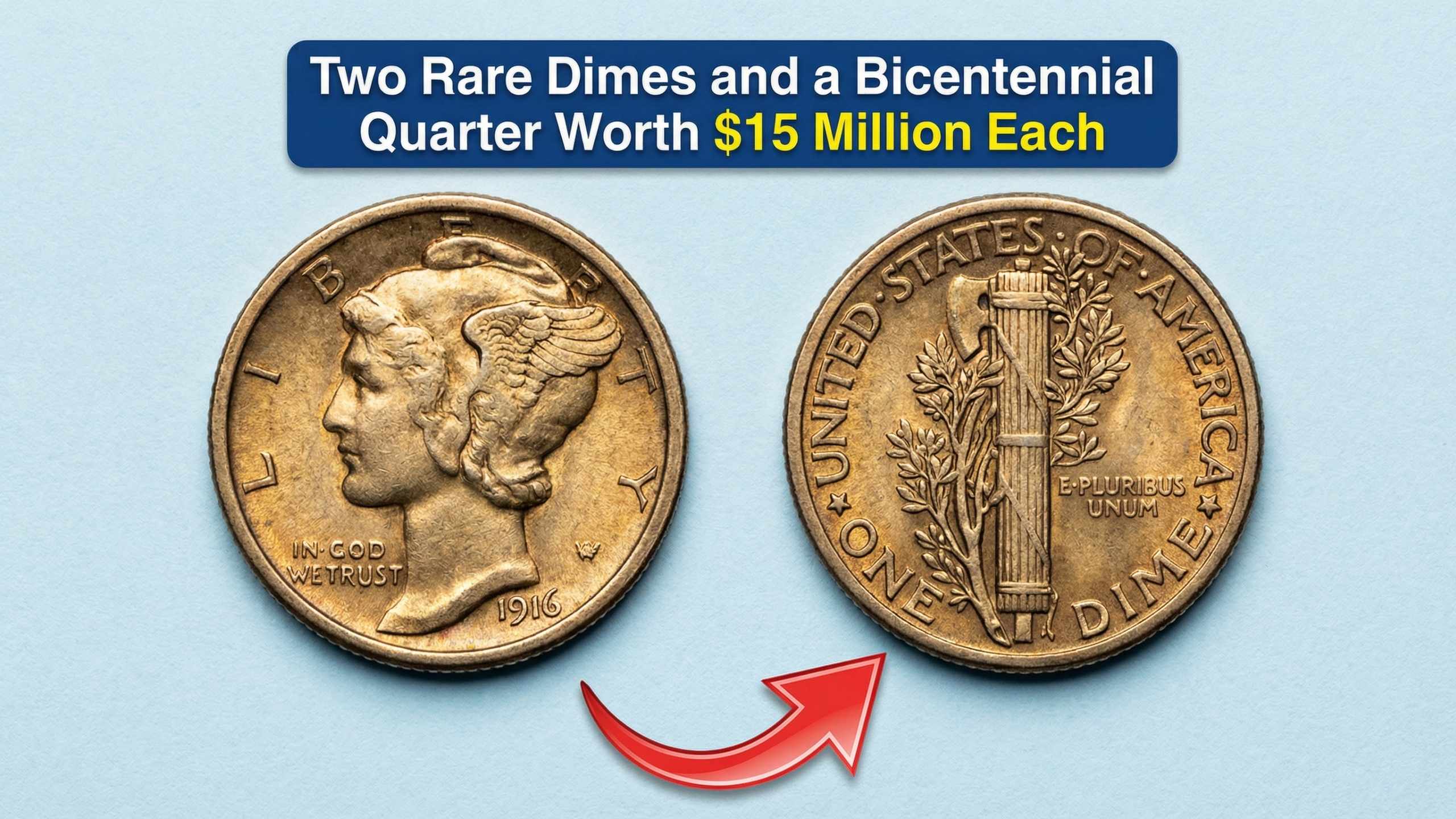
If there’s a coin that captures the spirit of early 20th-century America, it’s the Mercury Dime, minted from 1916 to 1945. Designed by Adolph A. Weinman, the coin’s obverse features a youthful Lady Liberty wearing a winged cap, symbolizing freedom of thought. It’s such a striking design that many people mistook her for Mercury, the Roman messenger god—hence the nickname.
Flip it over, and you’ll find a Roman fasces bound by an olive branch—a balance of strength and peace that perfectly encapsulated America’s self-image on the brink of global power.
But within this run lies one coin that’s pure collector’s gold (well, silver): the 1916-D Mercury Dime.
Only 264,000 of these were struck at the Denver Mint, a tiny number compared to most U.S. coin issues. The reason? The Denver facility was focused on minting quarters that year, leaving just enough time for a limited dime batch.
Today, a 1916-D in fine condition can sell for $10,000–$30,000, while pristine, mint-state examples can exceed $200,000. Even worn ones are cherished because they represent a key date that almost every collector dreams of owning.
You can explore more about this iconic design on the U.S. Mint’s coin specification archives.
The Barber Dime: The Rarest of the Rare
Before the Mercury design came along, America had the Barber Dime, produced from 1892 to 1916. It was the creation of Charles E. Barber, the U.S. Mint’s Chief Engraver. The design is simple yet regal—Liberty wearing a laurel wreath on the obverse, with the reverse showing a wreath of agricultural symbols surrounding “ONE DIME.”
While most Barber Dimes are common collectibles, one version stands in a class of its own: the 1894-S Barber Dime.
Only 24 were minted at the San Francisco Mint, and fewer than 10 are known to exist today.
Theories swirl about why these coins were made at all—some historians believe they were struck as gifts for officials’ friends or as test pieces for accounting purposes. Others think they were quietly produced for collectors. Whatever the reason, this coin’s rarity has achieved near-mythic status in numismatics.
An 1894-S Barber Dime in uncirculated condition has sold for over $2 million at auction, making it one of the most valuable U.S. coins ever struck. Even heavily worn examples, if authentic, can command hundreds of thousands of dollars.
If the Mercury Dime is the people’s favorite, the 1894-S Barber Dime is the collector’s holy grail.
The Bicentennial Quarter: Patriotism in Your Pocket
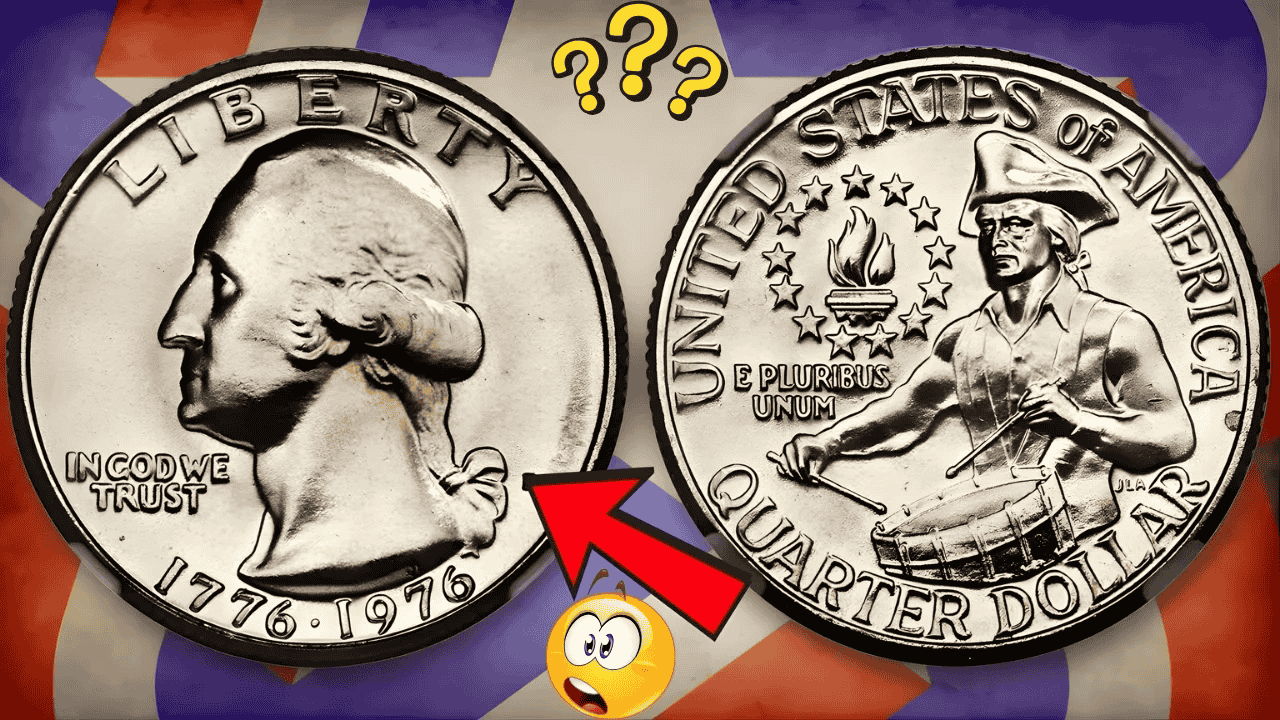
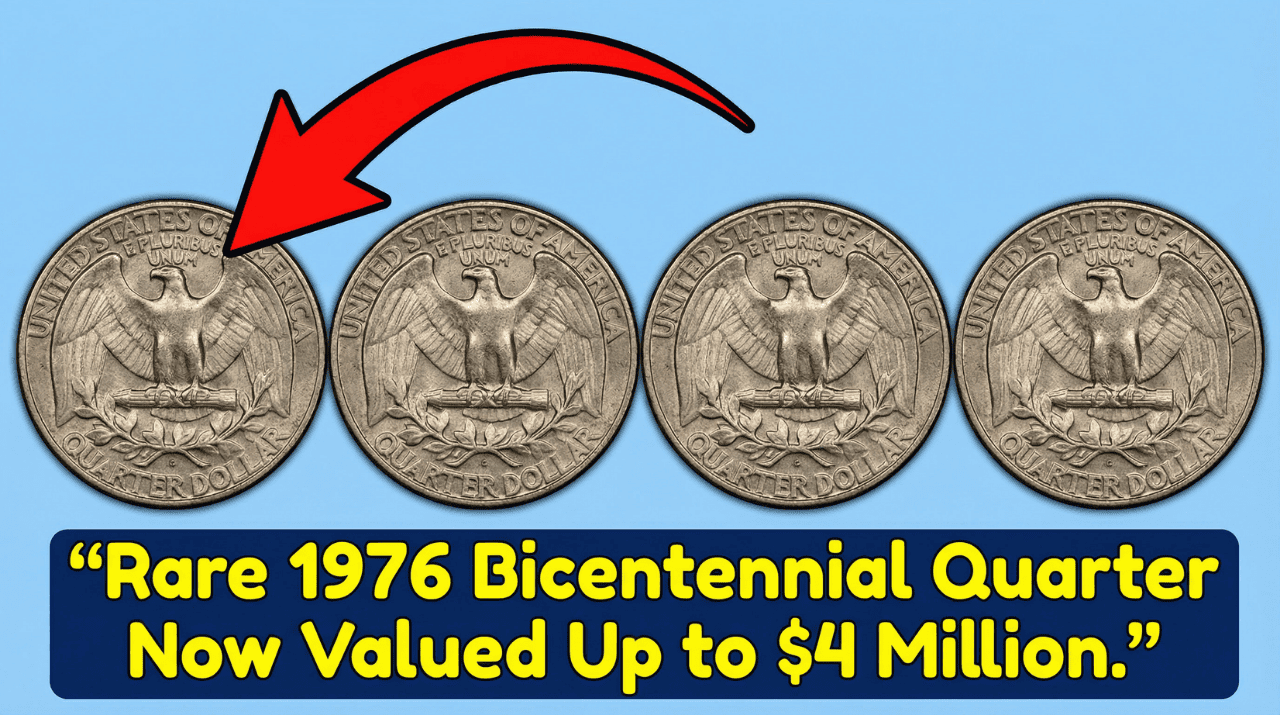
Fast-forward to the 1970s, when the U.S. Mint decided to mark a monumental milestone—America’s 200th birthday. Enter the Bicentennial Quarter, minted in 1975 and 1976 and featuring a one-time-only design.
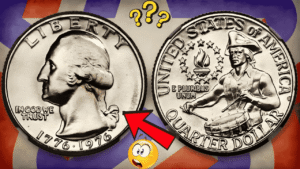
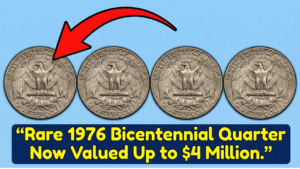
On the obverse, you’ll see the familiar George Washington portrait, but flip it over and there’s something special: a Colonial drummer holding his sticks proudly, flanked by a victory torch encircled by 13 stars. Designed by Jack L. Ahr, it’s a salute to America’s revolutionary roots.
These coins bear the dual date “1776–1976”, marking the country’s two centuries of independence. Most were minted in copper-nickel clad, but a limited number were produced in 40% silver for collector sets from the San Francisco Mint.
While millions were made (so you won’t retire off one just yet), uncirculated silver proofs can still fetch $50–$200, and error varieties—like double strikes or off-center mintings—can reach into the thousands.
The Bicentennial Quarter also holds sentimental value—it was the first major design change on the quarter since 1932, sparking a renewed wave of interest in coin collecting across America. Learn more through the U.S. Mint’s Bicentennial Coin Program.
Comparing Rarity and Value
Here’s how these three American classics measure up in the collecting world:
| Coin | Mint Years | Key Rarity | Mint Mark | Est. Value Range | Notable Feature |
|---|---|---|---|---|---|
| Mercury Dime | 1916–1945 | 1916-D | D (Denver) | $10,000–$200,000+ | Winged Liberty design |
| Barber Dime | 1892–1916 | 1894-S | S (San Francisco) | $500,000–$2M+ | Only 24 minted, 9 known |
| Bicentennial Quarter | 1975–1976 | Silver Proof (S) | S (San Francisco) | $50–$1,000 | Dual date “1776–1976” design |
Why These Coins Matter
Each of these coins represents more than metal—they’re chapters in America’s story.
- The Barber Dime speaks to craftsmanship and mystery from the Gilded Age.
- The Mercury Dime embodies the nation’s artistic renaissance and resilience through two world wars.
- The Bicentennial Quarter celebrates unity and national pride in a modern era.
Together, they bridge artistry, history, and value in a way that no digital currency ever could.
For new collectors, the Bicentennial Quarter is a great entry point—affordable and easy to find. For seasoned enthusiasts, the Mercury Dime’s allure and the Barber Dime’s legendary scarcity are irresistible.
Collecting them isn’t just about profit; it’s about owning small pieces of American identity, passed from hand to hand through generations.
FAQs
How many 1916-D Mercury Dimes exist today?
Approximately a few tens of thousands, though high-grade examples are much rarer.
What makes the 1894-S Barber Dime so valuable?
Its tiny mintage of 24 coins and mysterious origin make it one of the rarest coins ever struck.
Are Bicentennial Quarters worth keeping?
Standard ones are common, but 40% silver proofs or mint-error versions can hold collector value.
What metals are these coins made from?
The Barber and Mercury Dimes are 90% silver, while Bicentennial Quarters are copper-nickel or 40% silver (collector sets only).
Who designed the Mercury Dime?
It was created by Adolph A. Weinman in 1916, also known for designing the Walking Liberty Half Dollar.