Few coins stir up excitement among collectors quite like the 1914-D Lincoln Wheat Penny. To most people, it’s just another old copper coin — but in the world of numismatics, this humble cent is a legend. With its tiny mintage, unique backstory, and century-long survival against the odds, the 1914-D is considered one of the crown jewels of the Lincoln cent series.
It’s rare, valuable, and historically significant — and if you ever find one in your pocket change (however unlikely), you might just be holding a five-figure payday.
The Low Mintage That Made History
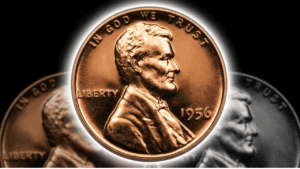
The 1914-D Wheat Penny’s value starts with one simple fact: scarcity.
In 1914, the Denver Mint produced only 1,193,000 Lincoln cents — a small number even by early 20th-century standards. Compare that to other issues from the same decade, many of which had mintages in the hundreds of millions.
From day one, this coin was rare. And unlike modern collector issues that get tucked away in albums, nearly every one of those 1.1 million pennies entered heavy circulation. They passed through grocery stores, corner shops, and coal miner pay envelopes for decades, gradually wearing down to near unrecognizability.
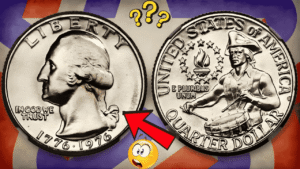
That’s why finding a sharp, original 1914-D today — especially one with its details intact — is almost miraculous.
You can see official historical mint data at the U.S. Mint’s production records.
Design: Simple, Symbolic, and Timeless
The design of the 1914-D Lincoln cent is the work of Victor David Brenner, whose portrait of Abraham Lincoln has now graced U.S. pennies for over a century.
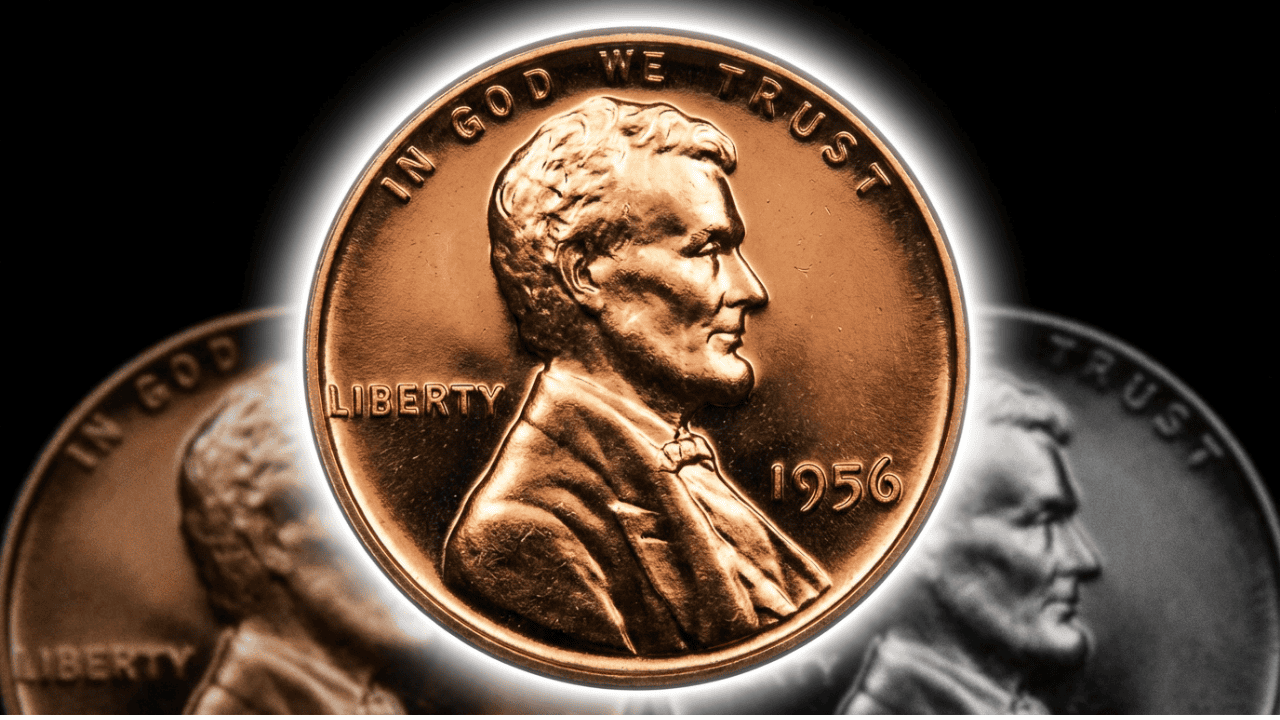
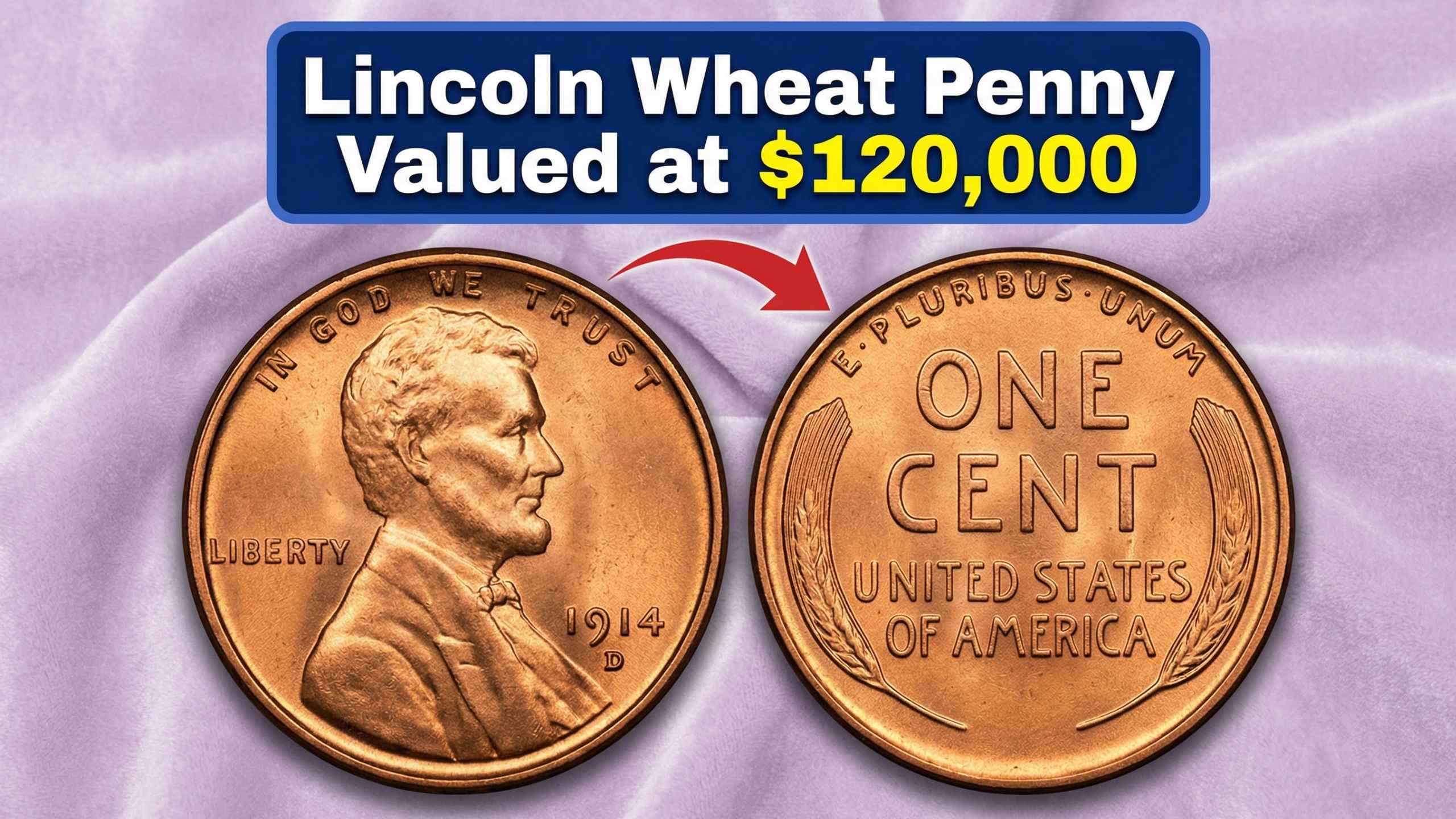
- Obverse (Front): Lincoln’s profile facing right, framed by the inscriptions “IN GOD WE TRUST,” “LIBERTY,” and the date 1914.
- Reverse (Back): Two wheat stalks curve around the words “ONE CENT,” with “UNITED STATES OF AMERICA” between them — a nod to the nation’s agricultural prosperity.
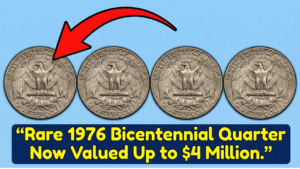
The key to its identity lies in the tiny “D” mintmark, located just below the date — confirming that it was struck at the Denver Mint.
That small letter is what transforms an ordinary 1914 penny into a collector’s dream.
The Condition Factor: Why Grade Changes Everything
While scarcity is important, condition is king in determining value. The vast majority of 1914-D pennies are heavily worn, sometimes with the date or mintmark barely visible.
High-grade specimens are exceptionally rare because of how heavily these coins circulated in the early 20th century. Coins that survive in Mint State (MS) condition — meaning they were never used and retain their original luster — are the elite few.
Professional grading by organizations like PCGS (Professional Coin Grading Service) or NGC (Numismatic Guaranty Company) can make or break the coin’s market value.
Here’s a snapshot of current estimated values:
| Grade | Description | Approx. Value (USD) |
|---|---|---|
| Good (G-4) | Very worn, date and mintmark visible | $200–$300 |
| Fine (F-12) | Moderate wear with readable details | $400–$700 |
| Extremely Fine (XF-40) | Light wear on high points | $1,000–$2,500 |
| About Uncirculated (AU-50) | Slight trace of wear | $3,000–$6,000 |
| Mint State (MS-60+) | Uncirculated, strong luster | $10,000–$120,000+ |
In 2023, a 1914-D graded MS-65 by PCGS sold for a staggering $120,000 — a testament to how dramatically condition influences rarity.
You can verify auction records via Heritage Auctions or the PCGS price guide.
Why the 1914-D Is So Hard to Find
There’s another twist to the story: counterfeits. Because of its high value, the 1914-D has become one of the most frequently faked Lincoln cents in the hobby.
The most common scam? Taking a 1944-D penny and filing down the last “4” to look like a “1.” Others add fake “D” mintmarks to ordinary 1914 Philadelphia issues.
That’s why authentication is essential. Only coins certified by reputable grading services should be bought, sold, or trusted at high prices.
Collectors also love the historical irony — in a time when a penny could actually buy something substantial, this little coin slipped quietly through commerce, destined to become a six-figure treasure.
Historical Context: A Coin Born in Transition
The year 1914 was pivotal. World War I had just erupted in Europe, Ford’s Model T dominated American roads, and the U.S. Mint was still perfecting the relatively new Lincoln design introduced just five years earlier.
In Denver, limited resources and smaller facilities meant lower production runs — which is why the “D” mintmark appears on so many of the early 20th-century key-date coins.
Each surviving 1914-D penny is a tangible artifact of that industrial, wartime America — a small copper relic that’s outlasted everything around it.
Why Collectors Call It the “Key Date”
Every coin series has what’s called a key date — the issue that defines and anchors the collection. For the Lincoln Wheat Penny series (1909–1958), that honor belongs to the 1914-D.
Owning one isn’t just about value; it’s about prestige. It’s a sign you’ve reached a level of collecting expertise — that your set includes the piece most collectors spend years chasing.
Even those who never plan to sell it often see the coin as a long-term investment, a piece of history that only gets rarer with time.
FAQs
Why is the 1914-D Lincoln Wheat Penny so rare?
Because only about 1.1 million were minted, and most went into heavy circulation — few survived in high grade.
What does the “D” on the coin stand for?
It stands for the Denver Mint, where the coin was produced.
How much is a 1914-D Wheat Penny worth today?
Depending on condition, anywhere from $200 (heavily worn) to $100,000+ (uncirculated, certified).
What does the coin look like?
Lincoln’s portrait on the front; two wheat stalks framing “ONE CENT” on the back.
How can I verify mine is real?
Have it graded by PCGS or NGC — the two leading professional grading services for authentication and valuation.