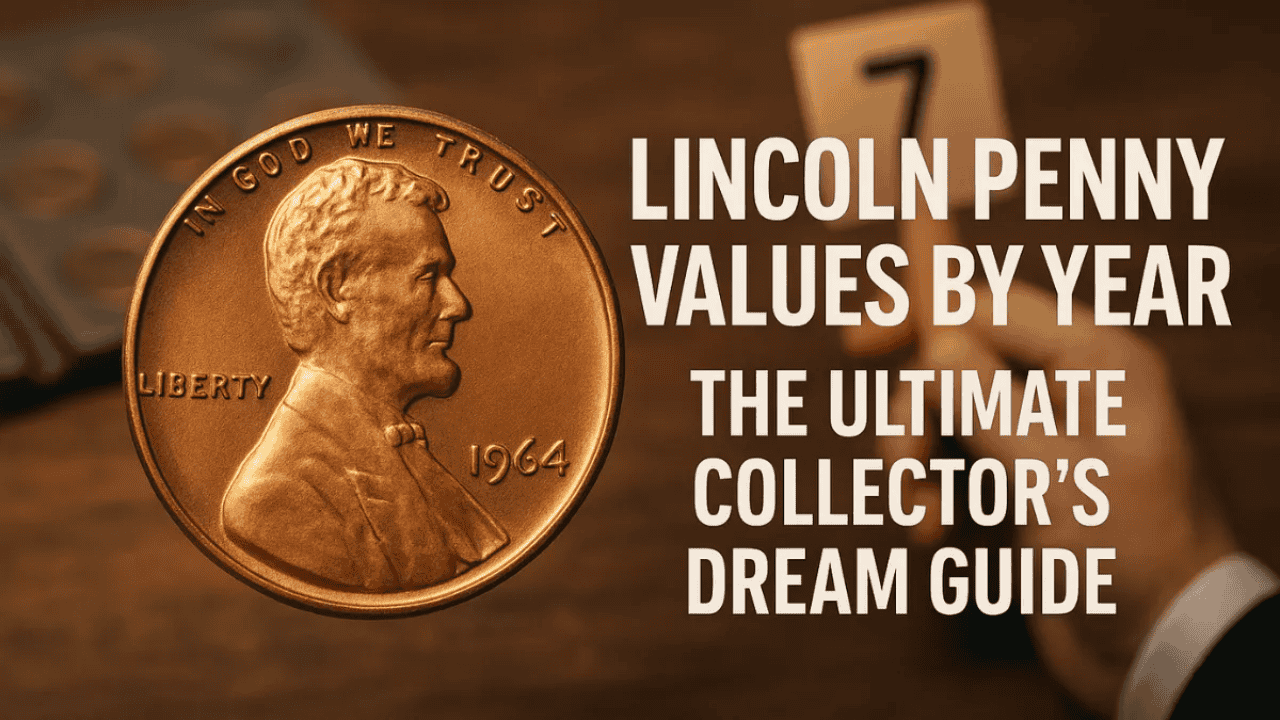
The Lincoln penny isn’t just America’s longest-running coin — it’s a living timeline stamped in copper and zinc. Since debuting in 1909, this small but mighty cent has chronicled more than a century of U.S. history, from the industrial boom to the digital age. For casual collectors, it’s often the gateway into numismatics; for seasoned pros, it’s a lifelong obsession.
Whether you’re scouring pocket change or browsing auction listings, understanding Lincoln penny values by year can help you separate ordinary coins from extraordinary finds — and maybe even uncover a small fortune hiding in plain sight.
The Legacy of the Lincoln Penny
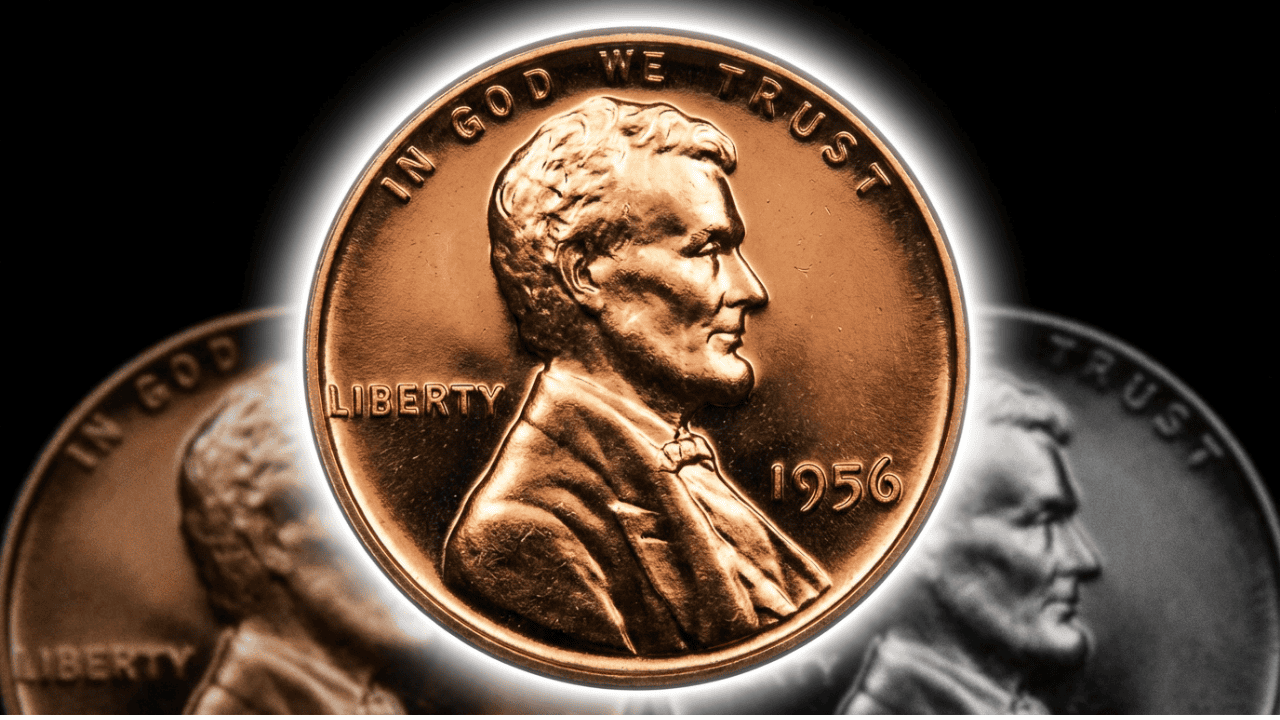
When the U.S. Mint introduced the Lincoln cent in 1909, it was revolutionary. It was the first U.S. coin to feature a real person’s face, chosen to honor Abraham Lincoln’s 100th birthday.
Sculptor Victor David Brenner designed the portrait we still see today — a testament to Lincoln’s enduring legacy. On the reverse, his original design featured two wheat stalks, symbolizing prosperity and unity. That “Wheat Cent” look lasted until 1958, before being replaced by the Lincoln Memorial reverse in 1959 and the Union Shield design in 2010.
Over time, subtle design shifts, minting errors, and limited editions have turned this penny into one of the most collectible coins in American history.
You can explore its design evolution on the U.S. Mint’s coin history page.
What Determines Lincoln Penny Value
A Lincoln penny’s worth hinges on three main factors: date, mint mark, and condition — with a few wildcards like minting errors or unique varieties thrown in.
| Factor | Why It Matters | Example |
|---|---|---|
| Year | Certain years had low mintages or special editions. | 1909, 1914, 1943 |
| Mint Mark | Identifies where it was made: D = Denver, S = San Francisco, no mark = Philadelphia. | “S” coins are often scarcer. |
| Condition | Coins with minimal wear (uncirculated or mint state) are far more valuable. | An MS-65 grade can multiply a penny’s price tenfold. |
| Errors / Varieties | Doubled dies, off-center strikes, and metal mix-ups can skyrocket value. | 1955 Double Die, 1943 Copper Cent |
Even a small difference — like an extra letter, faint doubling, or misplaced mint mark — can turn a penny worth one cent into one worth thousands.
The Most Valuable Lincoln Pennies by Year
Let’s take a quick tour of some of the key years that define Lincoln penny collecting:
1909-S V.D.B.
The coin that started it all. Only 484,000 were minted in San Francisco, with Brenner’s initials “V.D.B.” on the reverse. The Mint removed those initials almost immediately, creating a rarity that collectors still chase more than a century later.
Value (2024): $1,000–$2,000 (Fine) | $5,000+ (Uncirculated)
1914-D
Minted in Denver with a production run of just 1.1 million, most went into circulation and wore down quickly. A high-grade 1914-D is a trophy coin.
Value: $200–$120,000 depending on grade.
1922 No D
Due to a worn die, some Denver-minted pennies lack the “D” mintmark entirely. The result? A famous “No D” variety that every collector wants.
Value: $500–$10,000+
1931-S
During the Great Depression, production dropped dramatically, with only 866,000 struck at the San Francisco Mint.
Value: $100–$1,500 depending on condition.
1943 Copper Cent
In 1943, the Mint switched to zinc-coated steel to save copper for WWII. But a few copper blanks from 1942 were accidentally used — creating one of the most famous minting errors in history.
Value: $100,000–$1.7 million (depending on mint and grade)
1955 Double Die
A printing mishap resulted in visible doubling on the words “LIBERTY” and “IN GOD WE TRUST.” It’s one of the most dramatic and recognizable U.S. coin errors.
Value: $1,500–$20,000+
Lincoln Pennies by Decade: What to Watch For
| Decade | Highlights | Collectibility |
|---|---|---|
| 1900s–1910s | Low mintages, first Lincoln design (1909-S V.D.B., 1914-D). | High |
| 1920s–1930s | Mint errors like 1922 No D; Depression-era scarcity. | Moderate to High |
| 1940s | Wartime composition changes (steel vs. copper). | High for 1943 copper |
| 1950s–1970s | Stable production, famous double dies. | Moderate |
| 1980s–1990s | Zinc replaces copper in 1982; hunt for pristine proofs. | Moderate |
| 2000s–Present | Special editions (e.g., 2009 Bicentennial series). | Modern interest rising |
How to Start a Lincoln Penny Collection
Building a Lincoln penny collection can be one of the most rewarding — and affordable — ways to start in numismatics. Here’s how:
- Start Small: Check your change, old jars, or bank coin rolls. You’d be surprised what turns up.
- Get Organized: Use coin folders or albums sorted by year and mint mark.
- Handle with Care: Always hold coins by the edge and avoid cleaning them (it reduces value).
- Learn to Grade: Study coin grading charts — condition determines price.
- Join the Community: Coin clubs, forums, and auctions (like Heritage or Stack’s Bowers) offer expert insight and trading opportunities.
- Stay Informed: Use resources like the PCGS Price Guide to track current market values.
Patience and persistence matter. Some collectors spend years hunting one elusive date — and that’s part of the thrill.
Why Collectors Love Lincoln Pennies
The Lincoln cent blends artistry, history, and accessibility. It’s an entry-level collectible that connects to major U.S. moments — from wartime shifts to design evolutions.
And beyond nostalgia, Lincoln pennies have proven their worth as long-term investments. Rare varieties have consistently appreciated, often outpacing traditional precious metals in growth. A one-cent coin turning into a five-figure asset? That’s the magic of numismatics.
FAQs
What is the most valuable Lincoln penny?
The 1909-S V.D.B. is the most famous and valuable regular issue; the 1943 copper penny holds the record for rare errors.
How can I tell if my penny is valuable?
Check the year, mint mark, and condition. Look for oddities like missing marks or doubled letters.
What makes the 1943 copper penny special?
It was mistakenly struck in copper instead of steel during WWII, making it one of America’s rarest coins.
What do the mint marks mean?
“D” = Denver, “S” = San Francisco, and no mark = Philadelphia.
Are Lincoln pennies a good investment?
Yes, high-grade or rare varieties appreciate over time — they’re tangible assets tied to history.