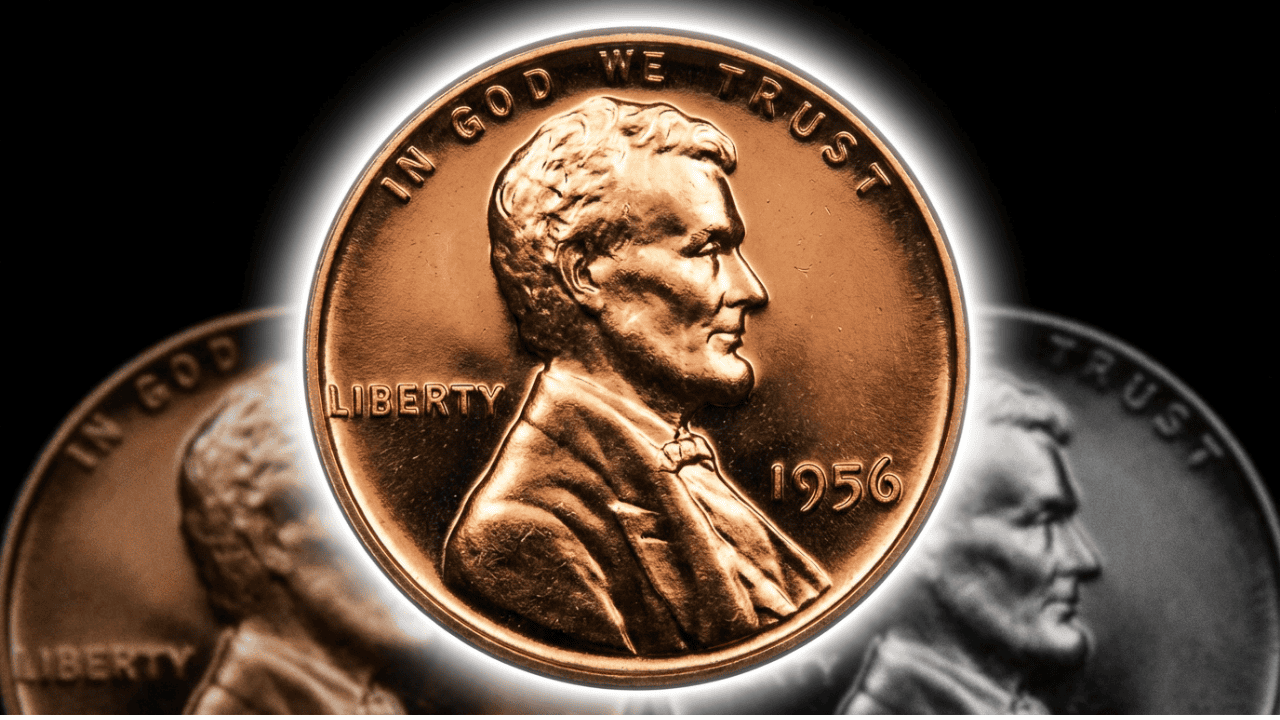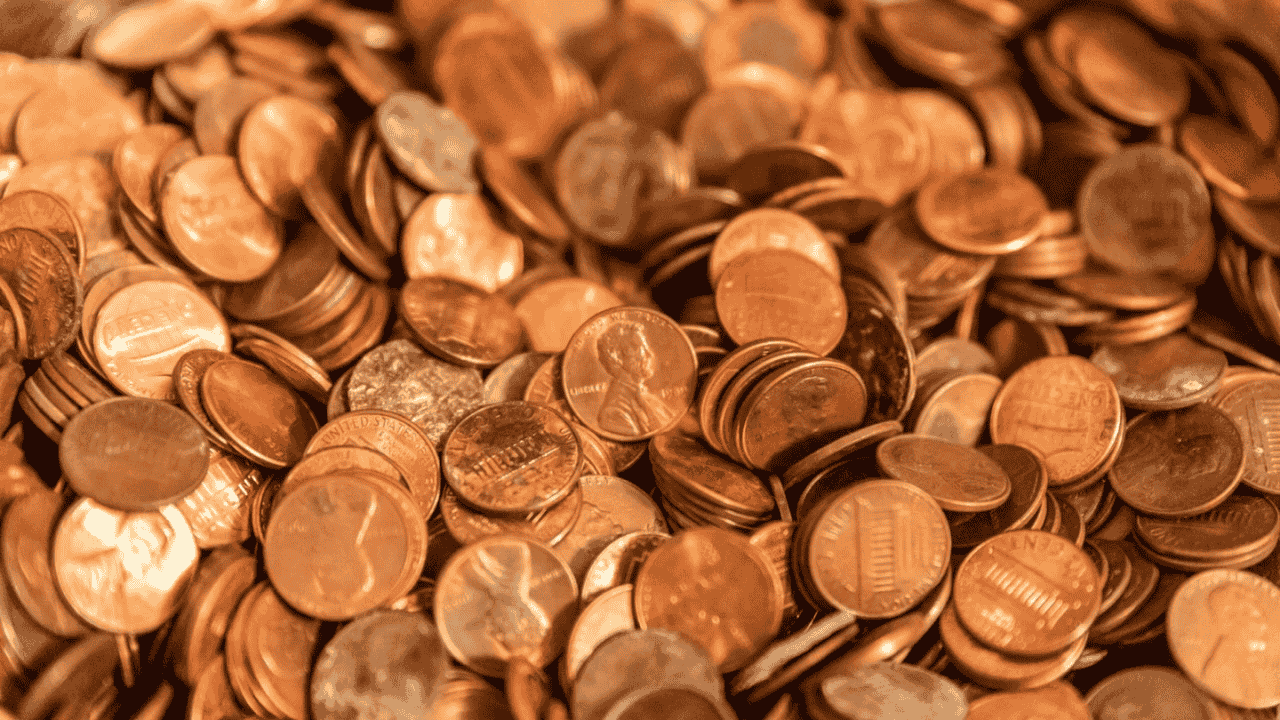
It’s wild, isn’t it? The idea that something as small and ordinary as a penny could hold the value of a sports car—or even a house. But that’s the magic of coin collecting. A mix of history, error, and sheer luck has turned a few Lincoln cents into some of the most valuable coins ever struck in the United States.
If you’ve got a jar of old change stashed away somewhere, it might be time to take another look. Because buried in there could be one of these 11 rare 20th-century Lincoln pennies worth thousands—or even millions.
1. 1909-S V.D.B. Lincoln Penny — The Designer’s Mark That Started It All
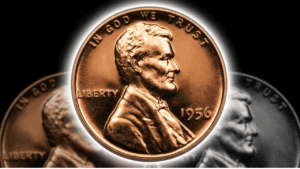
The coin that kicked off the entire Lincoln series. Only 484,000 were minted at the San Francisco Mint before officials removed designer Victor David Brenner’s “V.D.B.” initials from the reverse. That tiny decision made this first-year issue legendary.
Value: $800–$2,000 (Fine) | $5,000–$10,000+ (Mint State)
2. 1914-D Lincoln Wheat Penny — The Denver Rarity
Minted in Denver with just 1.1 million coins, most went into heavy circulation. High-grade survivors are exceptionally scarce. An uncirculated specimen sold for $120,000 in 2023.
Value: $200–$120,000 depending on condition.
3. 1922 “No D” Penny — The Mintmark That Vanished
Due to a worn die at the Denver Mint, some 1922 cents were struck without a visible “D.” Collectors prize these as one of the strangest minting oddities of the 20th century.
Value: $500–$15,000+
4. 1931-S Lincoln Penny — The Great Depression Survivor
Only 866,000 made at the San Francisco Mint, as the nation reeled from the Depression. Many were hoarded, but pristine examples remain rare.
Value: $100–$2,000+
5. 1943 Copper Wheat Penny — The One-Cent Millionaire
During WWII, pennies were made from steel to save copper for ammunition. But a few leftover copper planchets accidentally got struck. Less than 20 are known to exist.
Value: $100,000–$1.7 million (depending on mint and grade)
6. 1944 Steel Wheat Penny — The War-Era Reverse Error
After 1943, the Mint switched back to copper—but a few steel blanks from the year before snuck into the presses. Only a handful are confirmed.
Value: $50,000–$200,000
7. 1955 Double Die Obverse — The Famous “Drunk Text” Penny
A striking error caused dramatic doubling on “LIBERTY” and “IN GOD WE TRUST.” It’s one of the most recognizable—and beloved—U.S. coin mistakes ever.
Value: $1,500–$25,000+
8. 1969-S Double Die — The Modern Collector’s Dream
The doubling on this San Francisco issue is bold enough to read without magnification. Fewer than 100 examples are confirmed.
Value: $20,000–$60,000+
9. 1972 Double Die — The Hidden Gem of the 1970s
Easier to find than the 1969-S but still lucrative, this coin shows clear doubling on the date and lettering. Some have been discovered in circulation even recently.
Value: $200–$1,200+
10. 1983 Double Die Reverse — The Reagan-Era Rarity
Instead of the front, the reverse has doubling on “ONE CENT” and “E PLURIBUS UNUM.” Many examples turned up in pocket change.
Value: $150–$500 (sometimes more for uncirculated coins)
11. 1992 Close AM Penny — A Subtle Mistake Worth a Fortune
On this rare variety, the “A” and “M” in “AMERICA” are nearly touching, unlike the normal spacing. The difference is tiny—but the payout isn’t.
Value: $500–$5,000 depending on grade and color.
Quick Reference Table
| Year | Variety | Mint Mark | Est. Value Range |
|---|---|---|---|
| 1909 | S V.D.B. | San Francisco | $800–$10,000+ |
| 1914 | D | Denver | $200–$120,000 |
| 1922 | No D | Denver | $500–$15,000+ |
| 1931 | S | San Francisco | $100–$2,000+ |
| 1943 | Copper | All Mints | $100,000–$1.7M |
| 1944 | Steel | All Mints | $50,000–$200,000 |
| 1955 | Double Die | Philadelphia | $1,500–$25,000 |
| 1969 | S Double Die | San Francisco | $20,000–$60,000 |
| 1972 | Double Die | Philadelphia | $200–$1,200 |
| 1983 | Double Die Reverse | Philadelphia | $150–$500 |
| 1992 | Close AM | Philadelphia or Denver | $500–$5,000 |
Where and How to Check Yours
You don’t need to be a numismatist to start hunting.
- Use a magnifier or coin app to inspect dates, mint marks, and letters.
- Never clean coins—you’ll destroy their surface and tank their value.
- Weigh suspect coins: a 1943 copper penny should weigh 3.11 grams, not the 2.7 grams of steel.
- Get certification from PCGS or NGC before selling.
Once verified, sell through trusted outlets like Heritage Auctions, Stack’s Bowers, or GreatCollections for top bids.
FAQs
Are wheat pennies from the 1940s–50s worth anything?
Most range from 3¢ to 25¢, but rare errors or key dates can soar into the thousands.
Where’s the best place to sell a rare penny?
Major auction houses such as Heritage, Stack’s Bowers, or GreatCollections.
Can I still find these in pocket change?
It’s rare, but not impossible. 1955 DD and 1972 DD examples still appear occasionally.
Should I clean an old penny before selling?
Absolutely not. Cleaning removes natural patina and can slash the value by 80 % or more.
How do I confirm authenticity?
Submit the coin to PCGS or NGC for professional grading and verification.