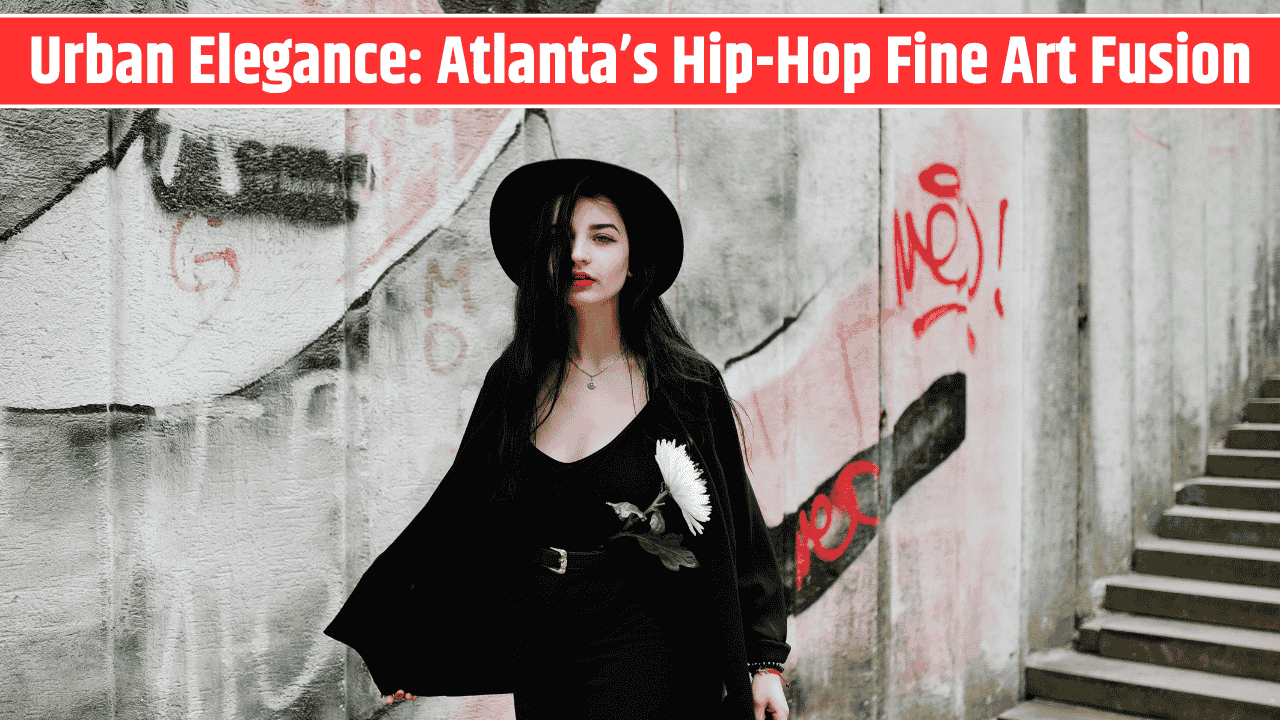
Atlanta has long been celebrated as the epicenter of hip-hop music, but now the city’s creative pulse beats through more than just beats and lyrics. A new generation of artists is merging hip-hop’s visual language and energy with the refined traditions of fine art. This vibrant fusion is reshaping Atlanta’s contemporary art scene — breaking down old hierarchies and redefining what “high art” means in a city that thrives on rhythm, rebellion, and reinvention.
The Cultural Crossroads of Art and Hip-Hop
Atlanta’s identity as a creative powerhouse has always been rooted in sound, swagger, and self-expression. From its rise as the capital of Southern hip-hop to its evolution as a tech and film hub, the city embodies a spirit of innovation. That same energy now pulses through its art galleries and studios, where painters, sculptors, and multimedia artists are drawing inspiration from hip-hop’s imagery, lyricism, and attitude.

Unlike earlier eras when hip-hop and fine art were viewed as separate worlds, today’s Atlanta scene treats them as intertwined. Hip-hop provides not only aesthetic inspiration — graffiti textures, album-cover boldness, and streetwear flair — but also conceptual depth. Themes of identity, power, race, and cultural ownership are central to both forms, and Atlanta’s artists are using their canvases, installations, and digital works to bring those themes to life.
Key Figures in Atlanta’s Hip-Hop Fine Art Movement
One of the most recognized voices in this creative fusion is Fahamu Pecou, whose work seamlessly connects hip-hop culture and fine art theory. Pecou’s paintings and performances often feature himself as the subject, dressed in sharp streetwear and positioned like figures from classical portraiture. By doing so, he challenges cultural stereotypes and asks who gets to define artistic value. His art has been exhibited internationally, but Atlanta remains both his home and his muse.
Another rising voice is Charmaine Minniefield, whose multimedia works celebrate the African diaspora and honor the spiritual and rhythmic roots that connect traditional African art to contemporary urban expression. While her style is distinct from hip-hop’s flashy aesthetic, her focus on rhythm, community, and cultural memory mirrors the music’s essence.

Artists like Miya Bailey, Markeidric Walker, and Corey Whitehead are also bringing hip-hop’s energy into gallery spaces. Their works often incorporate graffiti motifs, spoken word, or visual storytelling inspired by Atlanta’s neighborhoods. Through murals, installations, and fine art exhibitions, they’re bridging the gap between street culture and museum walls.
Galleries and Institutions Embracing the Blend
As these artists gain recognition, Atlanta’s major art spaces are responding. ZuCot Gallery, one of the largest African American-owned fine art galleries in the Southeast, hosted The Gift — an exhibition exploring hip-hop’s influence on global culture. The show combined music, visual art, and fashion, offering audiences a multisensory experience of how the genre has shaped art and identity.
Meanwhile, Atlanta Contemporary and Hammonds House Museum have begun programming that includes themes of street culture, Black identity, and musical expression. These exhibitions invite audiences to see hip-hop not as a countercultural movement but as a cornerstone of modern creativity.
Even outside formal gallery spaces, the city’s streets act as open-air museums. Murals of OutKast, Killer Mike, and Young Thug adorn walls in Downtown, Little Five Points, and Castleberry Hill — neighborhoods where music and art literally meet on the concrete.
The Aesthetic of Fusion
The visual language of hip-hop is inherently artistic — from album cover design to graffiti lettering, sneaker culture, and video storytelling. Atlanta artists are translating these visual codes into the language of fine art. Their works often feature:
- Graffiti and street textures repurposed into abstract compositions.
- Typography and lyric fragments layered onto canvases.
- Collages of urban imagery mixed with traditional portrait techniques.
- Video installations synchronized to hip-hop beats, transforming gallery spaces into sensory environments.
This aesthetic challenges viewers to reconsider boundaries. It’s not about diluting fine art with pop culture; it’s about expanding fine art to include the cultural realities and creative voices that have long shaped the modern American experience.
Tensions and Transformations
Of course, blending hip-hop and fine art raises important questions. Can hip-hop retain its authenticity inside white-walled galleries? Does institutional recognition risk commodifying a culture born from resistance? These tensions are real, but many Atlanta artists see them as productive.
Their approach isn’t about compromise — it’s about confrontation and conversation. By placing hip-hop’s symbols within fine art spaces, they reclaim ownership over how their culture is represented and valued. The fusion becomes an act of empowerment rather than assimilation.
Why Atlanta Leads the Movement
Atlanta’s dominance in music, fashion, and entertainment has naturally made it a laboratory for this kind of cultural experimentation. The city’s mix of historical depth and youthful innovation allows for constant reinvention. Its hip-hop legacy — from OutKast and T.I. to 21 Savage and Latto — provides a narrative that artists reinterpret visually, each in their own voice.
What sets Atlanta apart is its community-centered creativity. Artists here often collaborate across disciplines — painters work with producers, muralists with DJs, and videographers with poets. The result is a rich cross-pollination that embodies hip-hop’s collaborative DNA while elevating it through the language of fine art.
FAQ
Who are some leading artists blending hip-hop and fine art in Atlanta?
Fahamu Pecou, Miya Bailey, Charmaine Minniefield, Markeidric Walker, and Corey Whitehead are among the city’s most notable names connecting the two worlds.
Which galleries in Atlanta showcase this type of work?
ZuCot Gallery, Hammonds House Museum, and Atlanta Contemporary frequently exhibit art influenced by hip-hop culture and street aesthetics.
What themes do these artists explore?
Common themes include identity, race, community, self-expression, and the power dynamics of cultural representation.
How does hip-hop influence fine art visually?
Through graffiti-inspired abstraction, bold color palettes, rhythmic composition, and visual storytelling that mirrors hip-hop’s sound and energy.
Why is Atlanta important to this cultural movement?
Atlanta’s global influence in music, its strong Black creative community, and its openness to experimentation make it the perfect incubator for the fusion of hip-hop and fine art.