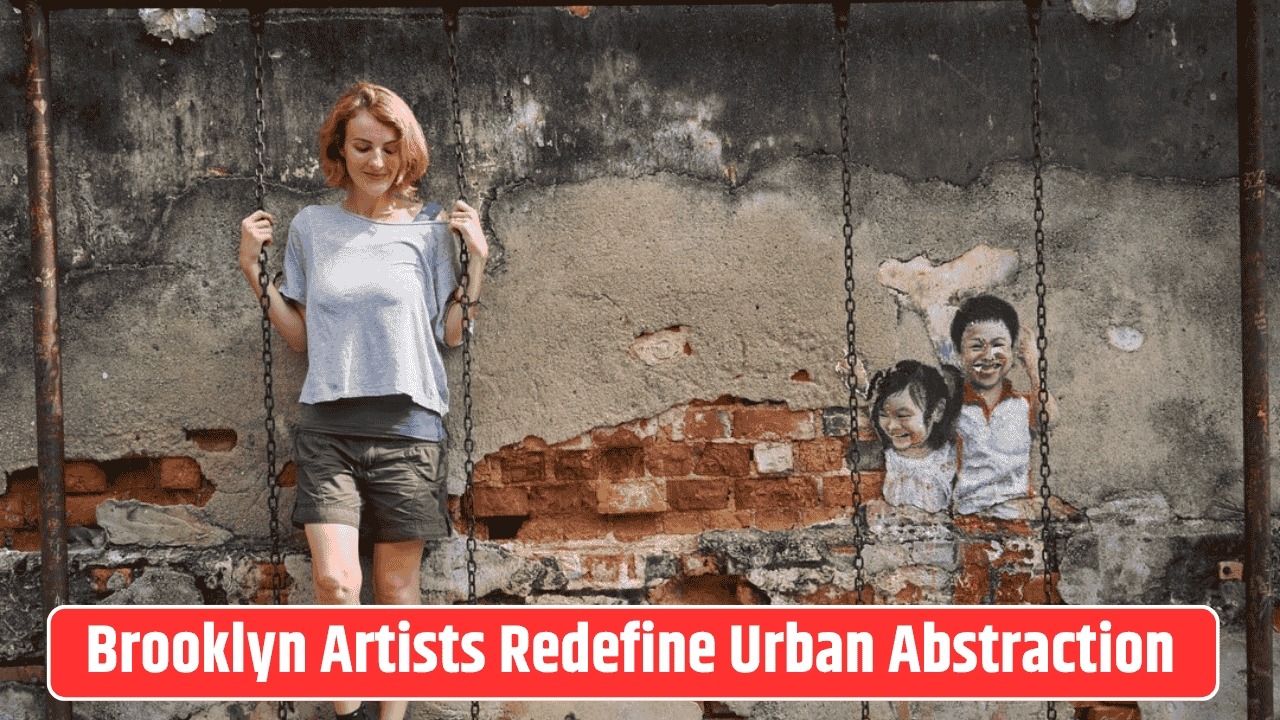
Brooklyn has long been a crucible of artistic innovation, where the hum of city life mingles with creative energy. Today, a new generation of emerging artists is reshaping Abstract Expressionism through an urban lens, merging raw emotion with the visual language of the streets. Their work challenges traditional definitions of abstraction, infusing it with the grit, rhythm, and multicultural pulse of Brooklyn itself. This modern movement stands as both homage and rebellion — a conversation between past and present that captures the essence of 21st-century urban existence.
The Revival of Expression Through Urban Lenses
Abstract Expressionism once thrived on the emotions and inner chaos of postwar America. In Brooklyn’s new iteration, artists are channeling similar energy but grounding it in the urban experience. Murals, mixed-media canvases, and digital abstractions now reflect subway graffiti, architectural decay, and the city’s ever-changing skyline. Instead of paint splatters symbolizing internal turmoil, the strokes convey external tension — the clash of cultures, sounds, and identities that define Brooklyn.

These artists aren’t just painting what they feel; they’re painting where they are. The borough’s neighborhoods — Bushwick, Red Hook, and Dumbo — have become living canvases, where street art, gallery work, and community installations coexist. The result is a dynamic visual language that bridges fine art with street culture.
The Power of Cultural Diversity in the Abstract
Brooklyn’s unparalleled diversity gives rise to a fusion of artistic voices that reflect countless backgrounds and experiences. Immigrant artists reinterpret Abstract Expressionism through motifs from their heritage, blending symbolism, colors, and techniques from around the world. A Nigerian-American painter might use layered textures reminiscent of tribal fabric weaves, while a Latinx muralist may merge calligraphic graffiti with Cubist-inspired fragmentation.
This melting pot of influences not only expands the aesthetic of abstraction but also broadens its emotional vocabulary. The works speak to identity, displacement, and belonging — turning abstraction into a universal form of communication that transcends language and cultural barriers.
Technology and the Digital Turn

In a borough that embraces innovation, Brooklyn’s abstract expressionists are not confined to canvas. Many are exploring digital mediums, incorporating projection mapping, augmented reality, and sound design into their work. Interactive installations allow viewers to manipulate color and form, blurring the boundaries between observer and creator.
This fusion of art and technology reinvigorates Abstract Expressionism for a digital generation. Artists like these prove that abstraction can evolve while maintaining its core spirit — emotional immediacy and visual freedom — even in virtual or augmented environments.
Community Spaces as Catalysts for the New Abstract
Local collectives, pop-up galleries, and artist-run spaces have been instrumental in nurturing this revival. Venues such as the Invisible Dog Art Center and Pioneer Works offer platforms where experimentation thrives. Community-based art events and public installations invite collaboration and dialogue between artists and residents, transforming art from a solitary act into a shared urban experience.
These grassroots efforts emphasize accessibility, ensuring that Abstract Expressionism is not confined to elite galleries but lives on walls, sidewalks, and screens throughout the borough. The democratization of art in Brooklyn mirrors the ethos of the original movement — to express human emotion in its rawest form, free from societal constraints.
The New Aesthetic: Emotion, Energy, and Edge
Today’s Brooklyn abstract expressionists are distinguished by their ability to balance emotional depth with street-born vitality. Their work pulses with energy, often employing industrial materials — concrete dust, spray paint, reclaimed metal — to symbolize urban resilience. Color palettes veer from electric neons to muted grays, echoing the duality of city life: chaos and calm, destruction and creation.
This aesthetic evolution has made Brooklyn a key influence on contemporary art worldwide, attracting collectors, curators, and visionaries who recognize that the borough’s artists are not just reviving Abstract Expressionism — they are redefining it for a new era.
Brooklyn’s emerging abstract artists are the heartbeat of a movement that reimagines how we see and feel the city. Their work is not just about form or technique but about translating the living pulse of urban life into visual rhythm. As these creatives continue to merge emotion with environment, their art stands as a testament to Brooklyn’s enduring legacy as a birthplace of cultural transformation.
FAQ
How does Brooklyn’s version of Abstract Expressionism differ from the original movement?
While traditional Abstract Expressionism focused on internal emotion and spontaneity, Brooklyn’s artists infuse the style with urban influences, cultural diversity, and street aesthetics.
Who are some notable emerging artists in this movement?
While many artists remain under the radar, collectives like Brooklyn Brush Studios and Trestle Gallery have showcased rising talents experimenting with new forms of abstraction.
What materials are commonly used by these artists?
In addition to traditional paints, they often use unconventional materials such as spray paint, concrete, recycled metal, and digital projections.
Where can the public view this kind of art in Brooklyn?
Street murals in Bushwick, exhibitions in Dumbo’s art spaces, and installations at venues like Pioneer Works are great places to explore this evolving art form.