
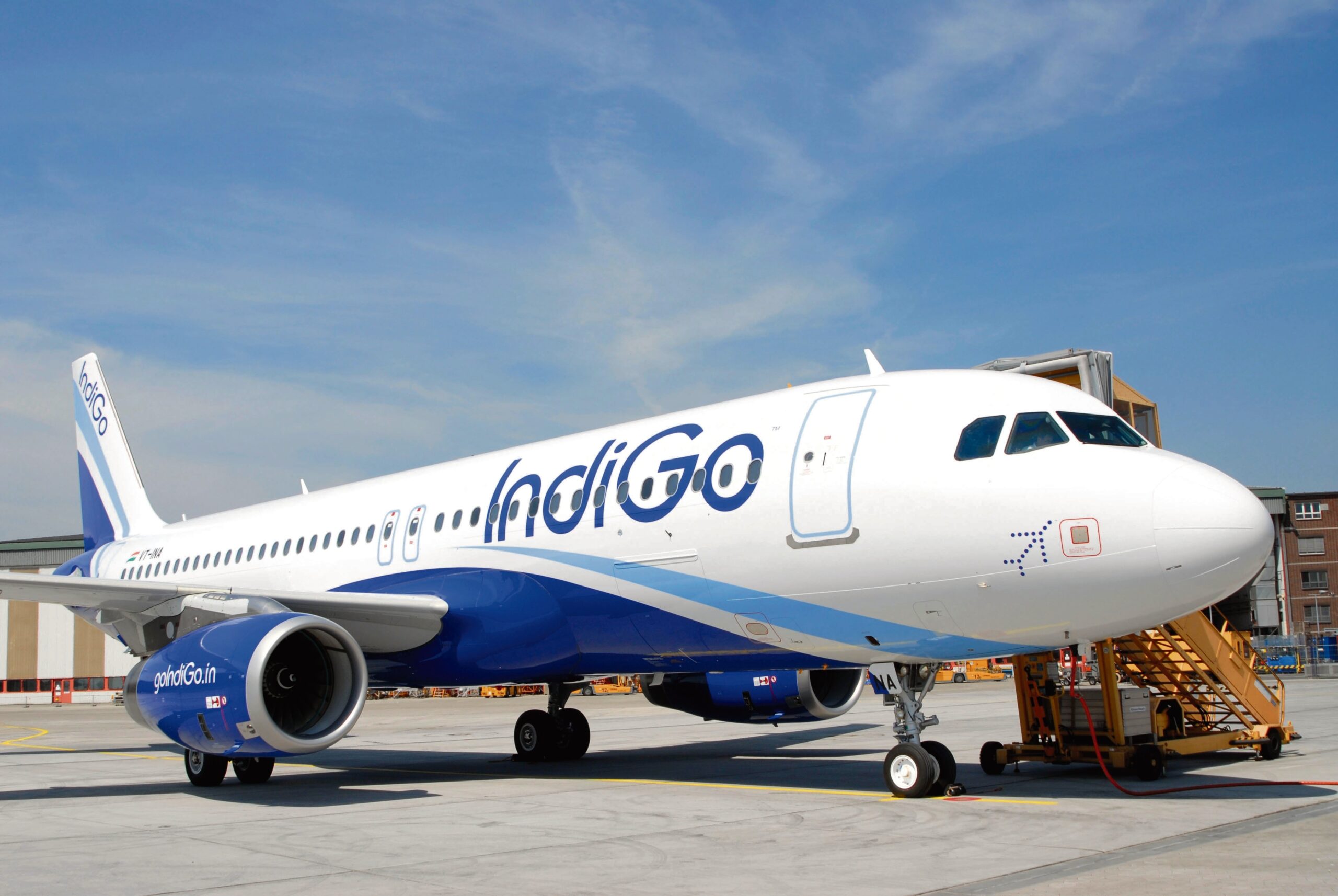
The chaos began even before sunrise—one of those misty Delhi mornings when IGI Airport already feels like it’s bursting at the seams. But on December 3, things snapped. Passengers found themselves trapped between blinking departure screens, half-functioning check-in counters, and airline staff who looked as confused as the travelers they were supposed to guide. IndiGo—the country’s busiest airline—canceled more than 150 flights and delayed dozens more, sending shockwaves through the airport’s tightly wound system.
Why Delhi’s Airport Went Into Freefall
There wasn’t one single villain here. It was a cocktail—one of those accidental but explosive mixes that aviation folks quietly dread.

IndiGo acknowledged “unforeseen disruption” in crew scheduling, a direct fallout of the stricter fatigue-management norms enforced recently by India’s civil aviation regulator. The rules—designed to improve safety by reducing pilot fatigue—forced airlines to redo their rosters from scratch. And IndiGo’s network, with hundreds of daily flights, cracked under the pressure.
On top of that, the check-in and operations software did what critical systems often do at the worst moment—crashed. Or, in more polite corporate language, suffered an “intermittent outage,” as reported by Hindustan Times and Reuters.
The Directorate General of Civil Aviation (DGCA) later issued a notice seeking explanations; updates were reflected on the official government website at https://dgca.gov.in.
One Glitch Triggered a Domino Effect

Delhi is not an airport that handles disruptions gracefully. It’s simply too busy.
Once ATC slots shifted—and some flights had no crew ready to step in—everything backed up. A delayed aircraft stranded on the tarmac means another can’t take off. Two delayed departures block three potential arrivals. Then baggage belts choke, gates pile up, and a simple morning tech issue turns into a full-day operational meltdown.
Here’s a snapshot of what contributed the most:
| Issue | Impact | Source |
|---|---|---|
| Crew/pilot shortage | Dozens of flights grounded because complete teams weren’t available | Reuters |
| Check-in/ops system outage | Boarding and baggage processing slowed or paused | Hindustan Times |
| ATC congestion & slot crunch | Takeoffs/landings pushed back repeatedly | DGCA / TOI |
| Recent infrastructure strain | Prior month’s major ATC failure had already stressed operations | Business Today |
What Passengers Actually Faced

Numbers never quite capture the human mess.
Travelers waited two, three, even four hours with little clarity. Some missed important meetings, others lost hotel bookings or connecting flights. International passengers—already juggling visa hours and jet lag—looked visibly shaken. Airport hotels filled up in record time, with surge pricing kicking in almost instantly, a trend often highlighted by India’s consumer helpline resources at https://consumerhelpline.gov.in.
And then there were the communication gaps—the kind that spark half the anxiety. Many said they received contradictory or delayed updates, a recurring grievance during major aviation disruptions.
Not the First Time—Delhi’s Aviation System Has Been Under Pressure for Months
If this felt like déjà vu, there’s a reason.
In November 2025—barely a few weeks earlier—Delhi Airport suffered a massive ATC system failure that delayed more than 800 flights in a single day, according to Business Today. That incident exposed how fragile the airport’s backend systems have become under the demands of a booming aviation market.
Weather only worsens things.
DIAL, the airport operator, warned on ETTravelWorld that shifting wind patterns and winter smog may continue disrupting takeoff and landing windows through December and January.
Passenger Rights—What You’re Legally Entitled To
This is the part most travelers overlook: DGCA rules strongly protect passengers in such situations.
Under India’s aviation compensation guidelines (CAR Section 3), available publicly at https://dgca.gov.in/digigov-portal/, passengers may be entitled to:
- Delay over 2 hours: free meals/refreshments
- Flight cancellation by airline: full refund OR free rescheduling
- Missed connections due to airline delay: partial compensation, depending on circumstances
Airlines sometimes downplay these rights, but they are enforceable.
The Bigger Question — Will This Happen Again?
Honestly? Quite likely.
India’s aviation sector is booming—nearly double-digit traffic growth year after year—but the supporting infrastructure hasn’t kept pace. Pilot shortages, ATC staffing gaps, aging tech systems, and weather-related constraints combine to create a fragile operational environment.
Delhi’s 3 December chaos wasn’t just a glitch—it was a warning shot. A reminder that even the country’s finest aviation hub can fall apart if one link in the chain snaps.
Fact Check: Were 150+ IndiGo Flights Really Cancelled?
Yes. Multiple independent, credible sources reported the disruptions:
- Reuters confirmed cancellations citing crew shortages and system issues.
- Hindustan Times reported passenger grievances and IndiGo’s apology.
- Times of India and The New Indian Express detailed how both ATC congestion and technical faults compounded the crisis.
- Numbers and statements match across all outlets.
This was a verified large-scale disruption—not rumor.