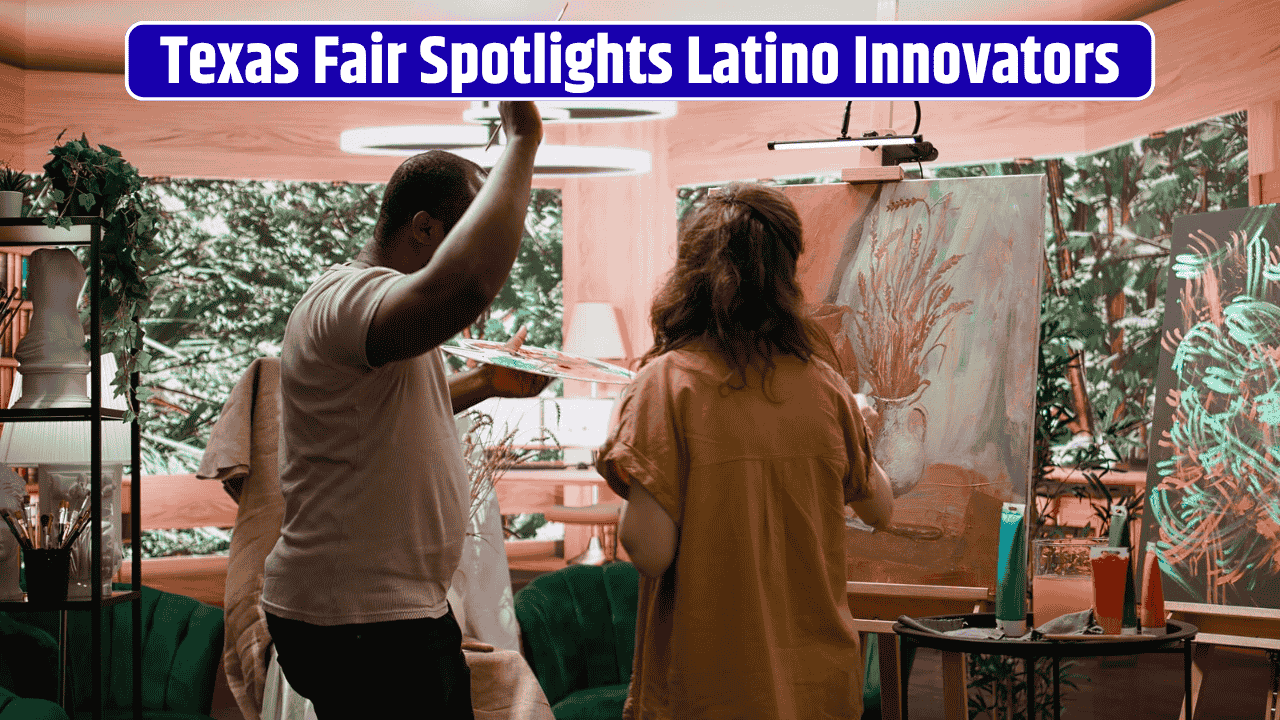
This autumn in Houston, the Texas Contemporary Art Fair—which champions contemporary visual practices—turned a special focus toward Latino art innovators, shining a light on how Latinx artists and galleries are reshaping the U.S. art-scene from the Southwest gateway. The fair’s energy, programming, and gallery line-up underscored a deeper movement: Latino artists are not just participants but thought-leaders in the evolving dialogue of contemporary art in Texas and beyond.
A Platform for Emerging and Established Voices
Each edition of the Texas Contemporary Art Fair gathers galleries from across the U.S., Europe and Asia—bringing cutting-edge sculpture, painting, mixed media, installation and time-based works to Houston’s downtown convention centre. (artfairmag)
This year, the programming specifically highlighted Latino-identified creators, with galleries featuring Latin American and U.S. Latinx artists, and a curatorial thread connecting identity, borderlands, migration, culture and innovation.
Why the Latino Focus Matters
Centering Representation

For too long, Latino artists in the U.S. have been sidelined or thrust into niche “Latin art” fairs. This fair’s commitment to featuring Latino art innovators signals a shift from periphery to centre. The presence of U.S. Latino art in major institutional collections and exhibitions in Texas also underscores the momentum: for example, the Blanton Museum of Art in Austin recently acquired over 5,000 works by U.S. Latino artists. (UT Austin News)
By bringing those voices into the mainstream of a major contemporary fair, the Texas Contemporary helps dismantle tokenize-versus-core distinctions.
Geographic and Cultural Gateway
Houston — and Texas more broadly — functions as a cultural bridge between the U.S. mainstream and Latin America. In the arts market, that means Latin American galleries and artists increasingly view Texas as key terrain. As one write-up noted: “Texas … offers a myriad of opportunities … [as] gateway to Latin America.” (Glasstire)
Through this lens, the fair becomes both a regional hub and an international corridor.
Innovation through Identity
Latino art at the fair was not just about heritage or representation: many of the works engaged with urgent modern themes—migration, hybridity, identity, border zones, ecological futures and visual experimentation. These are not “culture only” issues; they impact formal aesthetics, material practices and institutional contexts. The fair’s choice to highlight those artists thus signaled that Latino art is deeply part of contemporary avant-garde, not its side-show.
Highlights & Case Studies
- Galleries specialising in Latin American or Latinx artists were on-site, showcasing emerging talent with pigments, installations and mixed media that merged U.S. and Latin themes.
- Local Houston galleries known for Latin American focus (for example the Serrano Gallery) have prior engagement with the fair. (Serrano Gallery)
- Several Latino-identified artists based in Texas or the broader U.S. Southwest were present, strengthening the connection between local context and global dialogues.
Broader Implications for the Art World
- Market impact: As Latino artists gain greater visibility, collectors, museums and galleries will increasingly price, acquire and promote their work accordingly. This fair plays a role in calibrating that shift.
- Institutional change: With mainstream fairs like this including Latino art innovators more visibly, institutions may feel greater pressure (or opportunity) to diversify collections, exhibitions and acquisitions.
- Cultural mapping: The fair’s focus helps craft a new map of relevance—Texas as a hub for Latino contemporary visual culture, not just a regional outpost of New York/LA.
- Artist ecosystem: Emerging Latino artists benefit from access to major galleries, international collectors and a peer-tracked network. The fair contributes to ecosystem building, not just display.
Challenges & Areas for Growth

Of course, challenges remain. Visibility does not automatically equal equity: galleries must ensure fair representation of Latino artists in blue-chip booths; institutions must follow through beyond fair events. Also, while the fair highlights Latino art, the broader ecosystem (criticism, publications, institutional holdings) needs to keep pace. Lastly, balancing local specificity (Texas/Latin interface) with international ambition remains a tightrope: artists rooted in place should not be exoticised.
FAQ
When and where is the fair held?
The fair is held annually in Houston, at the convention centre, drawing 75+ galleries and over 10,000 visitors. (artfairmag)
What counts as “Latino art innovators” in this context?
Artists of Latin American heritage or Latinx identity whose work advances contemporary practices—not only by virtue of cultural identity but through formal, conceptual, and material experimentation.
How can collectors engage?

Visiting the fair, previewing booths focused on Latin American/Latinx galleries, participating in talks or supporting emerging artist programming are key steps.
Does this mean only Latino art is shown?
No — the fair remains broadly contemporary and international. The Latino focus is a thematic emphasis this edition, not an exclusion of other artists.
Why is this significant for Texas?
Texas, particularly Houston, is positioned geographically and culturally at the crossroads of the U.S. and Latin America. The fair strengthens Texas’s role as a leading platform for contemporary, diverse artistic production.